The New Creator Economy
January 22, 2026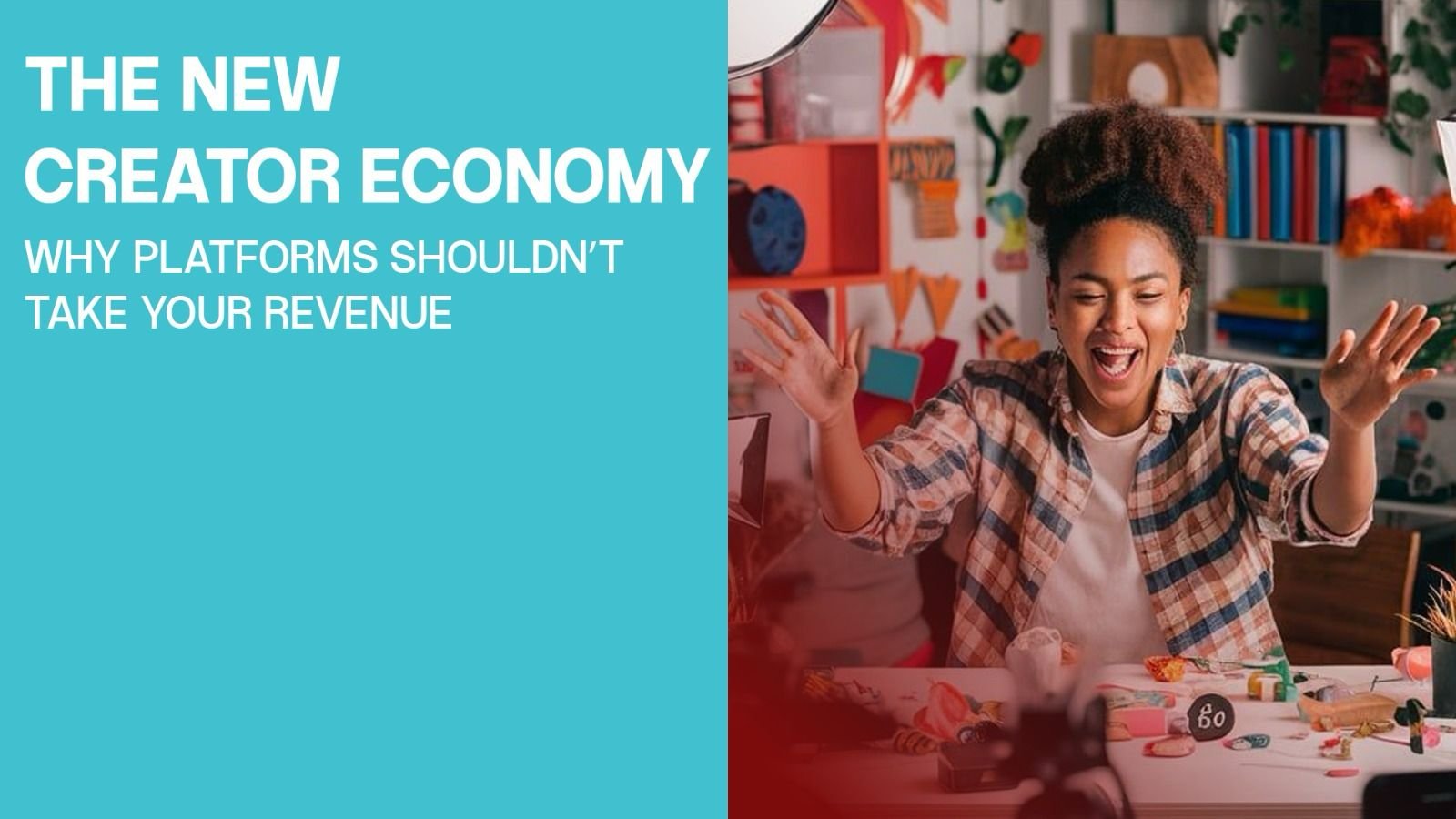
The New Creator Economy: Why Platforms Shouldn't Take Your Revenue
The creator economy has transformed the way individuals earn, build audiences, and share content online. From YouTube to TikTok and Substack, creators can now monetize their skills, influence, and passion. But there’s a growing debate: should platforms take a cut of your hard-earned revenue? In this blog, we explore the new creator economy and why creators deserve to keep more of what they earn.
What Is the Creator Economy?
The creator economy refers to the ecosystem where individual creators monetize content through audiences, subscriptions, merchandise, sponsorships, and more. This economy allows anyone with talent or expertise to build an independent business online.
In the new creator economy, platforms should empower creators—not tax them. That’s why platforms like Coursely are changing the model by allowing creators to host and sell courses completely free. On Coursely, educators keep 100% of their revenue while maintaining full control over their content, audience, and pricing. This creator-first approach removes barriers and helps educators focus on what matters most: teaching and impact.
Revenue Streams for Creators
Creators can generate income in multiple ways:
- Fan subscriptions and paid memberships
- Brand partnerships and sponsorships
- Digital products, online courses, and e-books
- Merchandise and physical products
- Live events and community experiences
However, most platforms claim a percentage of these earnings, which has sparked controversy.
Why Platform Cuts Are Problematic
Many creators rely on platforms for hosting, visibility, and monetization tools. But platform fees — sometimes ranging from 10% to 50% — can significantly reduce creator income. Here’s why this is concerning:
1. Creators Bear the Risk
Creators invest time, energy, and resources into content creation. Platforms provide infrastructure, but the financial and creative risk is borne entirely by the creator. Taking revenue cuts on top of this can feel unfair.
2. Limited Control Over Audience
Platforms often own audience data, leaving creators dependent on algorithms for visibility. If a platform decides to change rules or reduce reach, a creator’s income can drastically drop.
3. Discourages Growth and Innovation
High platform fees can discourage creators from experimenting with new content formats, launching courses, or engaging deeply with their communities. In turn, this slows innovation in the creator economy.
The Rise of Platform-Independent Creators
To combat excessive fees, many creators are building direct-to-audience models. Using tools like:
- Email newsletters (Substack, ConvertKit)
- Membership platforms (Patreon, Memberful)
- Self-hosted websites and e-commerce platforms
- Community platforms (Discord, Telegram, Mighty Networks)
These solutions allow creators to retain full control of their revenue while maintaining ownership of their audience.
Case Studies: Success Without Platform Fees
Independent Writers and Newsletters
Writers using Substack or Ghost can directly charge subscribers for newsletters. By avoiding traditional platform cuts, creators earn up to 95% of subscription revenue, retaining more of their income.
Online Course Creators
Creators hosting courses on self-managed websites or platforms with minimal fees see better margins compared to marketplaces that take 30–50% of each sale. This allows creators to reinvest more in quality content and marketing.
Musicians and Artists
Independent musicians using Bandcamp or direct-to-fan streaming models retain more revenue than those relying solely on Spotify or Apple Music. Fans pay creators directly, cutting out intermediaries.
Why the Shift Matters in 2026
By 2026, the creator economy is expected to be a trillion-dollar industry. For the ecosystem to thrive sustainably, creators need:
- Control over their revenue streams
- Ownership of their audience data
- Ability to diversify income without platform restrictions
Platforms that continue taking large cuts risk alienating creators, slowing innovation, and creating unfair revenue distribution.
How Platforms Can Be Fair Partners
Instead of taking excessive fees, platforms can:
- Charge reasonable, transparent service fees
- Offer optional premium tools for revenue optimization
- Provide analytics and audience insights without controlling revenue
- Support creators with marketing and promotion tools rather than extracting income
Conclusion
The new creator economy is about independence, ownership, and fair monetization. Platforms play a valuable role, but creators should not bear the brunt of revenue extraction. By prioritizing creator autonomy, the ecosystem can grow sustainably, giving creators the financial freedom they deserve. In 2026, the real winners will be creators who control their revenue, retain their audience, and innovate without unnecessary platform interference.